Employment swells in Grand Erie area

Employment swells in Grand Erie area

June employment in Brantford-Brant saw the largest month-over-month increase in employment in almost three years, even as the monthly jobless rate climbed.

The local unemployment rate grew to 7 per cent, up from May’s 6.7 per cent, according to seasonally adjusted estimates from Statistics Canada. Meanwhile, Brantford area’s labour force grew by an estimated 1,900 individuals month over month, and employment rose by 1,600.

Nation-wide, the unemployment rate shrunk by 0.1 per cent – to 6.9 per cent – as more people looked for and found work. Ontario saw similar trends of rising employment and a 0.1 per cent decline in the jobless rate – currently at 7.8 per cent.

Norfolk County, too, experienced growth in workforce participation and employment, causing the unemployment rate to dip steeply – to 4.8 per cent – last month.

The jobless rate climbed in some surrounding communities, such as Guelph and London, while it dipped in others (Hamilton), but most regions continued to see growth in labour force participation and employment.

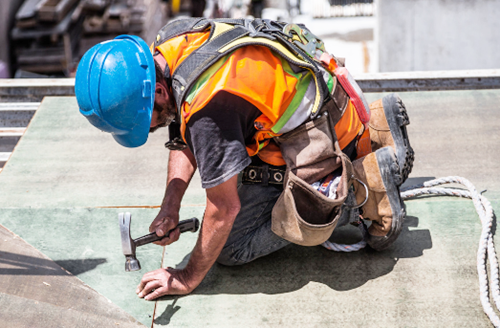
In Brantford-Brant, June employment increased most dramatically amongst young men (aged 15-24). Participation grew across most other demographics too, except for older adults (55 and over), with many of these new labour market entrants finding work.

“It is fantastic to see more people, especially youth, engaged in the labour market,” said Danette Dalton, the Workforce Planning Board’s executive director. “That said, we need to continue to find ways to support workers in trades, transport and manufacturing jobs that are experiencing declines due to the economic uncertainty. The best way for residents to do this is to support local and Canadian businesses.”

The Grand Erie Jobs online job board run by the planning board recorded almost 1,900 new jobs posted by 1,000 employers from across the Grand Erie region in June. New postings have been on the decline, but businesses are finding suitable candidates for their vacancies faster than before.

Visit Statistics Canada’s website to read their news release on the June 2025 employment numbers for Canada and Ontario.

2023 EmployerOne survey wants you!

2023 EmployerOne survey wants you!

2023 EmployerOne survey dives into the workforce needs and challenges of area employers.

The EmployerOne – Spotlight on Quality of Work survey has been launched by the Workforce Planning Board of Grand Erie and is supported by Ontario’s Ministry of Labour, Immigration, Training and Skills Development.

The survey, which runs until Jan. 31,  will also be promoted by many community organizations, including chambers of commerce and economic development departments.

Previous EmployerOne surveys have provided valuable insights into issues affecting employers in Brantford, Six Nations of the Grand River, Mississaugas of the Credit First Nation, and Brant, Haldimand and Norfolk counties.

“With labour shortages and other workforce-related issues affecting many employers, we felt the time was right to bring back the EmployerOne survey,” said Danette Dalton, the board’s executive director.

“This year’s focus ties in with research we did in the last couple of months talking to employees and job seekers about what they value in a workplace. It’s now the turn of employers to give their perspective.”

Hundreds of area employers have completed EmployerOne in the past, but the survey wasn’t carried out over the pandemic, Dalton said. “A lot has changed for businesses, to say the least.”

Survey link: https://www.surveymonkey.com/r/E12023

Traditional EmployerOne questions touch on hiring plans, hard-to-fill jobs, strategies for staff attraction and retention, and other topics.

New quality of work-related questions look at what practices and policies businesses have in place that may make them attractive to new and existing workers, such as: health benefits, on-the-job training, the chance for promotions, flexible work conditions and working from home.

The 2023 EmployerOne survey also asks employers what barriers they face in bringing in or enhancing quality of work practices. “Some employers may have things in place that other businesses can learn from,” Dalton said.

Information and results from past EmployerOne surveys can be found by visiting this Page.

This Employment Ontario project is funded in part by the Government of Canada and the Government of Ontario

October is Manufacturing Month

October is Manufacturing Month

October is Manufacturing Month, celebrating a key industry that provides thousands of jobs in the Grand Erie region.

About 1.7 million people work in manufacturing across Canada, over half of those jobs in Ontario – the country’s manufacturing heartland.

Manufacturing is the No. 1 employer in our area, with almost 800 businesses employing 15,800 people in Brantford, Six Nations, New Credit, and the counties of Brant, Haldimand and Norfolk.

Local companies make an amazing array of products, some of which are household names and brands that people buy every day. Think bread, chocolates, chicken nuggets, frozen waffles, hockey sticks, air fresheners, house paint, barbecues, cat litter, drywall, windows, kitchen cabinets, LED lighting – to name a few.

Other products are for special uses or niches. Think truck trailers, forestry equipment, neon signs, cabinetry for grocery stores, playground equipment, vinyl siding, swimming pool liners.

Other products are used as a part of others. Think auto parts, steel, pharmaceutical products, recycled rubber, cement wall panels, building supplies, industrial pumps, plastic hoses.

October will be celebrated as Manufacturing Month in North America, with Oct. 1 marked as Manufacturing Day in many areas.

In the past, manufacturers have thrown open their doors to tours, giving students and other visitors a behind-the-scenes look at what they make and the types of jobs they hire for.

The October Manufacturing Month tours are a way for companies to showcase their products, people and jobs, and to dispel commonly held myths about what it is like to work in manufacturing.

The Workforce Planning Board of Grand Erie has previously organized tours of local manufacturers and has produced a dozen videos about careers at local companies (see the resource section below).

Today’s manufacturing is a lot different than 30 or 50 years ago.

The days of workers standing at a production line, doing mind-numbing repetitive tasks, in a loud, dirty factory are largely past.

Today, production is highly automated, with computers, robots and cutting-edge technology heavily used. Companies value innovation, looking for better ways of doing things and creating new products.

Advanced Manufacturing, which uses new technologies, is a rapidly growing part of the industry.

Manufacturing offers a large variety of jobs, covering dozens of occupations, types of work and skill levels, from entry level positions to the most senior and experienced.

And while men have traditionally made up the bulk of people working in production and skilled trades roles in manufacturing, more women are entering the industry.

TYPES OF JOBS: Jobs can range from machine operator to office staff, packagers, salespeople, welders, millwrights, material handlers, computer programmers, engineers, designers, researchers, chemists, quality control specialists, health and safety experts.

JOB SKILLS: Skills used in manufacturing jobs also vary. Among the skills highly valued by businesses are: problem solving, critical thinking, team work, good communication, attention to detail, customer service and people skills. Learning to work safely is also important. Each occupation may have its own set of technical skills, from operating CNC machines to blueprint reading, programming robots and repairing equipment. And like all businesses, companies need people who are reliable and show up for work on time.

EDUCATION AND TRAINING: Businesses hire people who haven’t finished high school up to PhDs, depending on the role. Many companies offer on-the-job training, apprenticeships, or send workers to specialized training. Many companies provide opportunities for their staff to upgrade their skills and may help pay for their courses.

OPPORTUNITIES: Many companies regularly hire to fill open positions. Some increase their hiring to meet a large order or to fill seasonal demands. Companies like to promote from within, providing opportunities for advancement to employees who demonstrate a strong work ethic, a desire to learn, and a commitment to the business. There may be further opportunities as some older workers retire.

Find Out More

We Make It Here: A dozen videos produced by the Workforce Planning Board of Grand Erie that showcase local companies, the products they make and the people that make them.

Grand Erie Jobs: This online job board is the best source to find local manufacturing jobs, or to learn about specific manufacturing occupations or companies.

Local Training and Education

Skills2Advance Welding: Free job training program that prepares people to enter the welding trade in the Grand Erie region.

Conestoga College: College courses for manufacturing, including skilled trades and manufacturing management, plus continuing education courses.

Fanshawe College, Simcoe/Norfolk Regional Campus: College courses in welding and office administration, plus a number of continuing education courses.

Six Nations Polytechnic: Training for welders and machinists.

Mohawk College: College courses for manufacturing, including skilled trades, engineering and robotics training, plus continuing education courses.


Quality of Work – New Local Survey

Quality of Work – New Local Survey

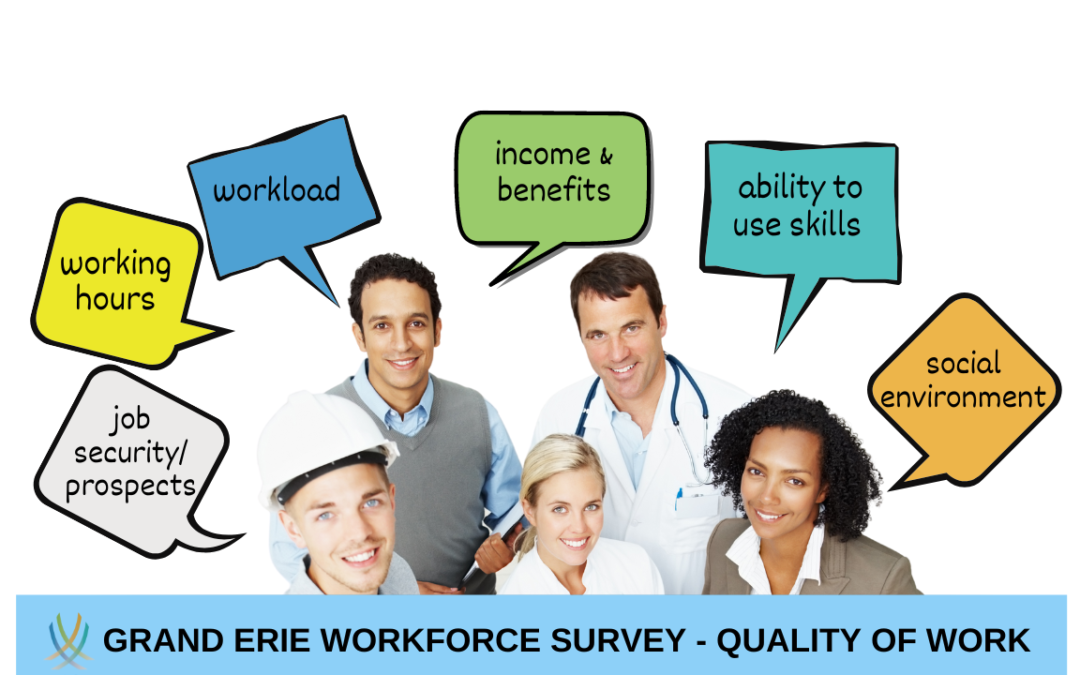
The Workforce Planning Board of Grand Erie has launched a new survey that is digging into how people perceive quality of work at their current or past workplaces.

Quality of work typically refers to a combination of things like a job’s income and benefits, job security, chance for promotion, opportunities to use skills, workplace culture and more.

For the last few years, our annual employer survey results have highlighted the growing obstacles that businesses face in finding and retaining suitable employees. Turnover triggered by quits, workplace culture and lack of work-life balance has been increasing and this has significant impacts on business operations.

With the added volatility of the COVID-19 pandemic, it is important to better understand the factors that influence quality of work, and to scope out the opportunities, challenges and barriers to supporting the Grand Erie labour market.

We will be examining the “quality of work” amongst workers within six industries in the Grand Erie area (healthcare and social assistance, retail trade, construction, manufacturing, accommodation and food services and agriculture.) The research will be carried out through a workforce survey that will measure the quality of work along 6 dimensions defined by Statistics Canada.

With this survey, we want to better understand what people value in a job, the workplace and their leaders. It is important to hear from workers, what attracts them to apply for a job and to stay in a job.

Many employers are experiencing labour shortages and they are competing for workers. Having a reputation of providing a good work culture and jobs can make a business stand out. The survey should help businesses, community organizations and local government learn more about what workers value in a workplace, and could prompt changes that strengthen quality of work.

Employers may learn what improvements or best practices they can implement in their workplace to give workers a stronger incentive to stay. And a good quality of work and work-life balance at a workplace can be a big selling point to potential new hires.

Individuals who complete the survey may find themselves better equipped to open up conversations with their managers about how their work quality can be enhanced. Results may also help those looking for work to identify industries that best support their quality of work goals.

Further, data collected through this survey can help community organizations/government develop better, more targeted programs and services to support our workforce’s needs.

The survey, which takes about 15 minutes to complete, is open to employees and job seekers 15 years and older who lives in Brantford, Six Nations, New Credit and Brant, Haldimand and Norfolk counties and will be running until September of this year. Those who complete the survey will have a chance to win a prize in a weekly draw.

The research project is funded by the Government of Canada’s Future Skills Centre, a forward-looking organization that prototypes, tests and measures new and innovative approaches to skills development across Canada. To learn more about Future Skills Centre, visit: fsc-ccf.ca

Thank you to our survey sponsors:

Workforce Series – Interview with Gordon

Workforce Series – Interview with Gordon

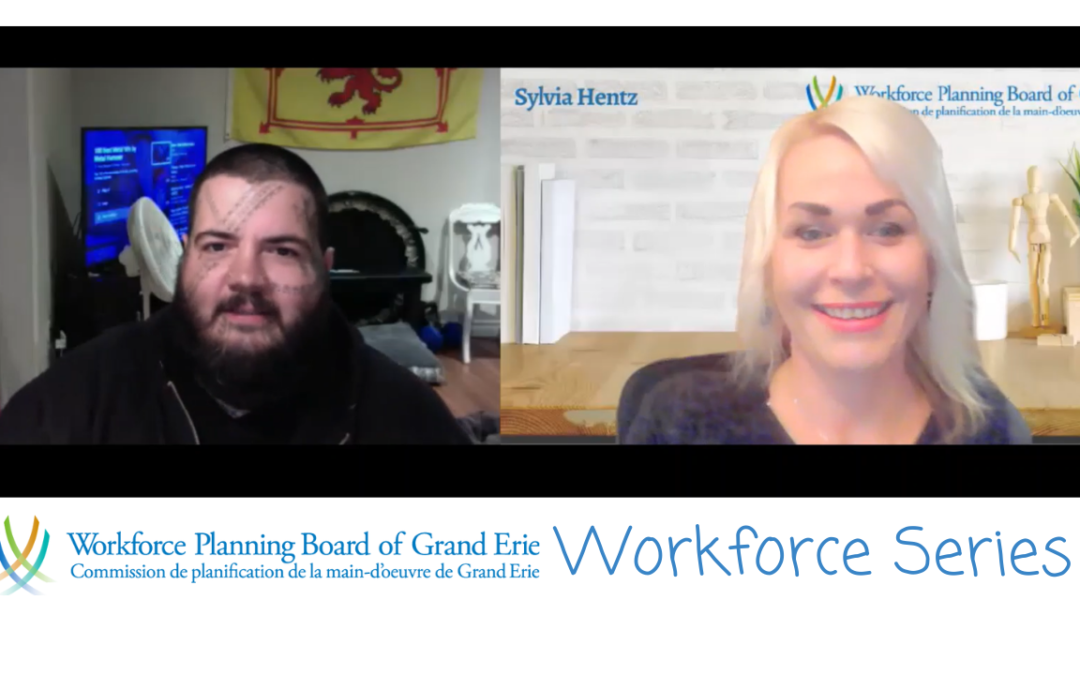
In our Workforce Series, where we share stories from local people who work in some of our region’s most important industries, we talk to Gordon Bouchard who recently took part in the Welding Training program through the Ogwehoweh Skills and Trades Training Centre (OSTTC).

OSTTC is a community owned Indigenous training and post-secondary institute that serves The Six Nations of the Grand River Territory and surrounding communities and runs various skills training, professional development and trades programs. It is owned and operated under Grand River Employment Training Inc. and is located in the village of Ohsweken. 

Gordon now works as a welder for Walters Group in Princeton. Walters is a family owned steel construction company that designs, fabricates, and constructs commercial and industrial projects throughout North America. They often recruit for various opportunities on their Careers Page.

In our feature, Gordon talks about the high demand for welders, switching careers to secure his future and career options, his passion for his new role and the satisfaction he gets from feeling he is making a contribution to society through his work.

Watch our interview with Gordon herehttps://youtu.be/ePqp-1cLU4M


Some additional highlights from Gordon:

“I knew there was a demand for the skilled trades and welding but I had no idea just how big it was, there are literally jobs everywhere. I had my own business for 20 years that was affected by the pandemic and going into welding was not only to create job security and provide for my family, it was coming full circle. I was considering becoming an auto mechanic when I was young, my father and grandfather were millwrights so I have those roots. It’s come full circle now with going into a second career doing something I enjoy, that mentally stimulates me and that I expect to do until I retire”  

“The OSTTC program was great – during the 8-week program I attained 5 welding certificates and had the qualifications to get my foot in the door after completing the program.

“My work with Walters has allowed me to be part of exciting projects. Additionally, I recently worked on a pavilion that is being donated back to the local community and I look forward to taking my kids to see it when it is installed it the spring”

On advice to young people – be flexible – when you are young and not tied down and you want to get ahead and make as much money as possible, take the different shifts and work your way in…it may be tough for a few years but then you will get to pick and choose more of what fits your life and home situation when you are older”

“My long-term goal is to get into quality control/inspection in another 10 years after getting all the tickets and training to get me there – and by then expertise in the field under my belt”

Thank you to Gordon for sharing his story with us! Looking to explore a career or find a job? Check out Grand Erie Jobs – the biggest career and job site in our region!


Translate »

Help Us Serve You Better

We are collecting data to better understand who is looking for work and what kind of opportunities jobseekers are searching for. This data is completely anonymous and non-personally identifiable.

Your Age: